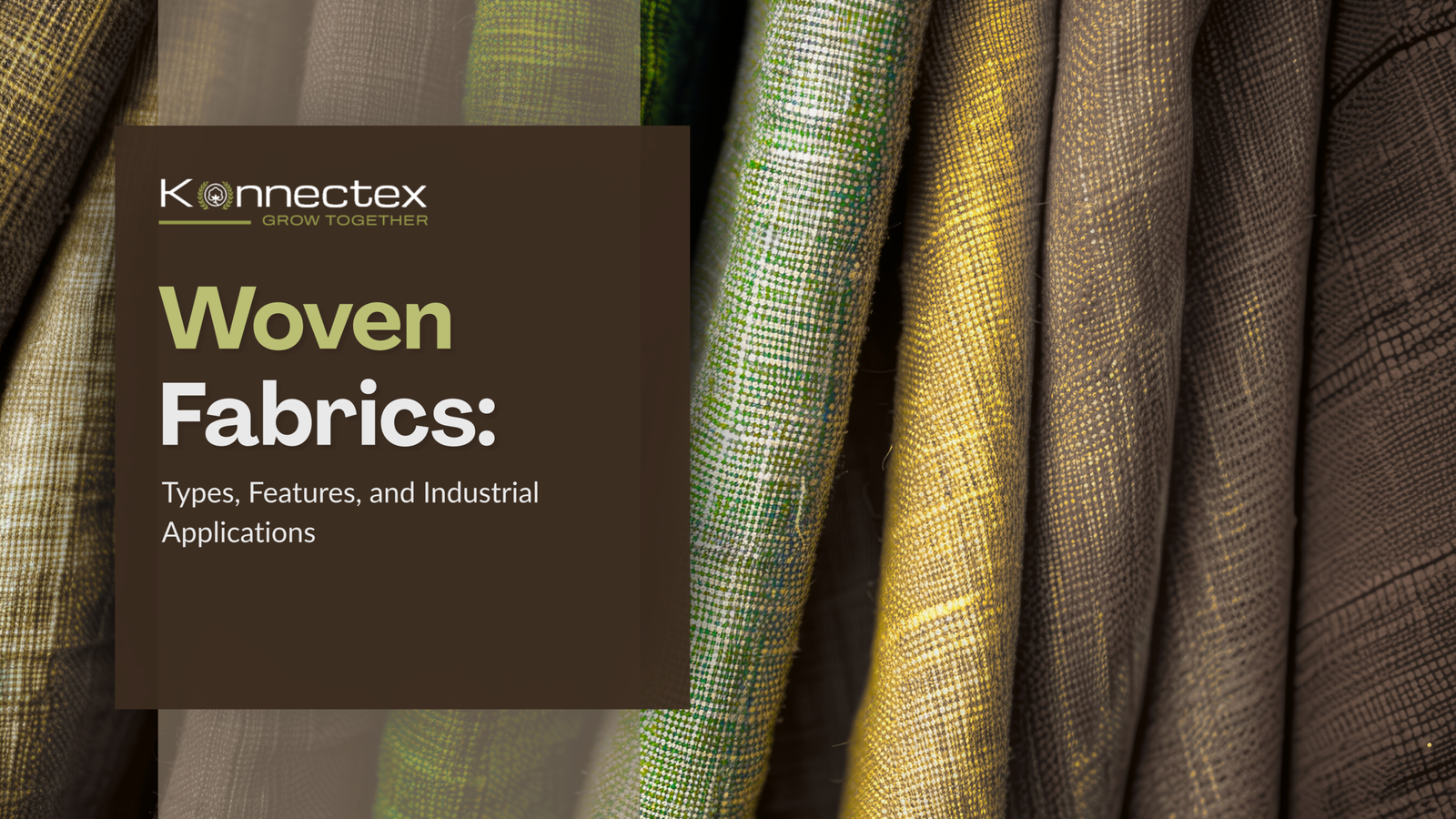
Woven fabrics are among the most widely used textiles in the global market, valued for their durability, structure, and versatility. From fashion garments to industrial materials, woven fabrics play a crucial role across multiple industries. Understanding their characteristics, types, and applications helps businesses choose the right fabric for their specific needs.
What Are Woven Fabrics?
Woven fabrics are textiles created by interlacing two sets of yarns — warp (lengthwise) and weft (crosswise) — at right angles using a loom. This structured weaving process produces fabrics that are strong, stable, and less prone to stretching compared to knitted fabrics.
Because of their tight construction, woven fabrics maintain their shape well and are suitable for applications that require durability and dimensional stability.
Common Types of Woven Fabrics
Different weaving patterns produce unique textures, strengths, and visual effects. The most common types include:
1. Plain Weave
The simplest and most widely used weave. It features a basic over-under pattern, making it lightweight, breathable, and strong. Examples include cotton shirting and muslin.
2. Twill Weave
Recognized by its diagonal pattern, twill fabrics are thicker and more durable. Denim is a classic example of twill weave fabric.
3. Satin Weave
This weave produces a smooth, glossy surface with a luxurious appearance. Satin fabrics are commonly used in formal wear, upholstery, and decorative textiles.
4. Jacquard Weave
Created using specialized looms, jacquard fabrics feature intricate patterns woven directly into the fabric rather than printed on the surface.
Key Characteristics of Woven Fabrics
Businesses and manufacturers prefer woven fabrics for several reasons:
- High durability – Strong interlaced yarn structure
- Shape retention – Maintains form after repeated use
- Versatility – Suitable for both lightweight and heavy-duty applications
- Professional finish – Smooth surface ideal for printing and embroidery
- Breathability – Natural fiber woven fabrics allow airflow
These properties make woven textiles suitable for both everyday products and technical uses.
Applications of Woven Fabrics
Woven fabrics are used across a wide range of industries, including:
- Apparel manufacturing (shirts, trousers, uniforms, jackets)
- Home textiles (curtains, upholstery, bedding)
- Industrial fabrics (filters, conveyor belts, protective covers)
- Fashion accessories (bags, hats, belts)
- Automotive and technical textiles
Their adaptability allows manufacturers to customize weave density, fiber composition, and finishing processes according to end-use requirements.
How to Choose the Right Woven Fabric
Selecting the ideal woven fabric depends on several factors:
- Purpose of use – Fashion, technical, or industrial
- Fiber type – Cotton, polyester, silk, linen, or blends
- Fabric weight (GSM) – Determines thickness and durability
- Finish – Coated, dyed, printed, or treated for specific functions
Working with a reliable textile supplier ensures consistent quality, accurate specifications, and timely delivery for production schedules.
Final Thoughts
Woven fabrics remain a fundamental component of the textile industry due to their strength, flexibility, and wide-ranging applications. Whether used in fashion design, manufacturing, or industrial production, these fabrics offer reliable performance and aesthetic appeal. By understanding weave types, material composition, and functional properties, businesses can confidently choose woven fabrics that meet both technical and design requirements.