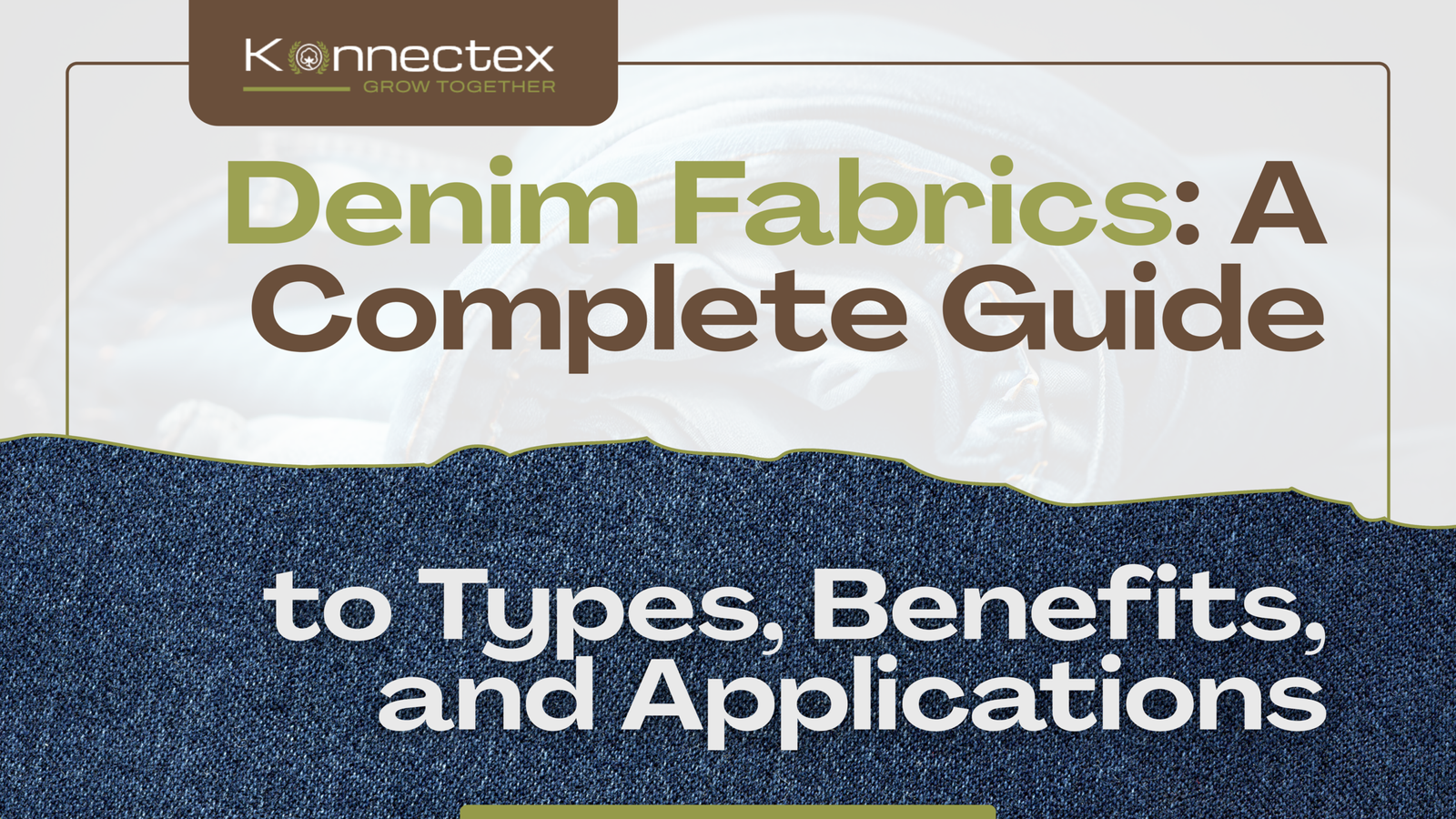
Denim fabrics have become one of the most popular and versatile textiles in the global fashion and manufacturing industry. Known for their strength, durability, and timeless appeal, denim fabrics are used far beyond traditional jeans — from apparel and accessories to upholstery and industrial applications. Whether you are a fashion brand, textile buyer, or manufacturer, understanding denim fabric types and characteristics helps you make better sourcing decisions.
What Are Denim Fabrics?
Denim is a cotton-based textile woven using a twill weave pattern, which creates its signature diagonal ribbing. Traditionally, denim is made from indigo-dyed warp yarns and undyed weft yarns, giving it a distinctive blue outer surface and lighter inner side. Modern denim fabrics may also include blended fibers such as elastane, polyester, or viscose to enhance stretch, durability, and comfort.
Popular Types of Denim Fabrics
1. Raw Denim
Also called dry denim, this fabric is unwashed after dyeing. It is stiff initially but softens with wear and develops unique fade patterns over time.
2. Stretch Denim
Blended with elastane or spandex, stretch denim offers flexibility and comfort, making it ideal for slim-fit garments and activewear-inspired styles.
3. Selvedge Denim
Manufactured on traditional shuttle looms, selvedge denim is known for its clean finished edges, premium quality, and long lifespan.
4. Washed Denim
This category includes stone-washed, acid-washed, and enzyme-washed denim. These processes soften the fabric and create stylish faded or distressed effects.
5. Lightweight Denim
Used for shirts, dresses, and summer clothing, lightweight denim provides breathability while maintaining the classic denim look.
Key Advantages of Denim Fabrics
Denim fabrics continue to dominate the textile market because of their functional and aesthetic benefits:
- High durability – Resistant to wear and tear
- Breathable structure – Comfortable for long-term wear
- Versatile styling – Suitable for casual, workwear, and fashion collections
- Long lifespan – Maintains structure even after repeated washing
- Timeless appeal – Never goes out of style
Applications of Denim Fabrics
While jeans remain the most well-known product, denim fabrics are widely used across industries:
- Fashion garments such as jackets, skirts, and shirts
- Bags, shoes, and accessories
- Home décor items like cushion covers and upholstery
- Protective workwear and uniforms
- Promotional and custom textile products
Because of this versatility, denim is a preferred choice for manufacturers seeking a balance between durability and style.
How to Choose the Right Denim Fabric
Selecting the ideal denim depends on your project requirements. Consider these factors:
- Fabric weight – Lightweight for comfort, heavyweight for durability
- Fiber composition – Pure cotton vs. blended fibers
- Finish type – Raw, washed, or coated finishes
- End use – Fashion, industrial, or upholstery applications
Working with a reliable textile supplier ensures consistent quality, accurate GSM, and color uniformity across batches.
Final Thoughts
Denim fabrics remain a cornerstone of the global textile industry because of their strength, adaptability, and enduring popularity. From fashion collections to industrial uses, denim continues to evolve with innovative blends, finishes, and manufacturing technologies. By understanding fabric types and characteristics, businesses can select the right denim materials to meet both performance and design requirements.